FEATURES

Ambassadors for engineering

“. . . one of the ways I think I can help the College grow is to help it recruit other talented students from around the state, the nation and the world.” – Stephane Henrion

Meet the ambassadors. (PDF, 1.16 MB).

Bookmark and Share

When the time came to look at colleges, Kalie Porterfield had her pick.

The Carroll, Ohio, high schooler was valedictorian of her class and the most valuable player and captain of her soccer team. Her record of leadership and scholarship meant she was highly sought after by many colleges, and she wanted a place where she could continue to lead, serve and excel academically. But she also wanted to learn and grow in a caring and dynamic college environment.

Who will represent the next generation of ambassadors? In many ways, it's up to you. Your scholarship gift to the College of Engineering helps NC State compete for the best and brightest undergraduate students.

The NC State Engineering Foundation has more information scholarship gifts.

“I chose to come to NC State because of the people,” she said. “Everyone was warm and welcoming, and there seemed to be a lot of opportunity here.”

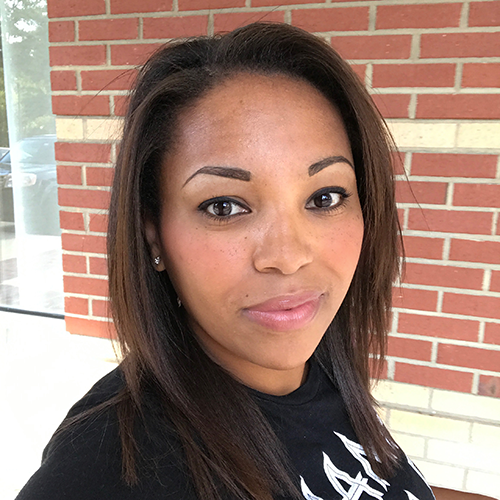
Porterfield, now a junior mechanical engineering major at NC State, wants other students to have the same experiences she's had. Along with more than 30 other students, she is part of the Engineering Ambassadors program, an initiative that puts top engineering students at the forefront of the College's recruiting, mentoring and marketing efforts.

“They're basically an army,” said Brian Koehler, the staff leader of the ambassadors. “It's a huge benefit to the College to have these talented student leaders reaching out to spread the word about NC State engineering.”

The list of activities that ambassadors participate in reads like a timeline of an NC State engineering student's career. Ambassadors are there before the start, dispensing advice to top high school students at open houses and recruiting events across the state. Ambassadors are there in the middle, serving as teaching assistants for an introductory engineering course and helping run a freshman engineering design competition. And ambassadors are there at the end, coordinating a ceremony that introduces seniors to the profession and assisting with the College's massive Engineering Career Fair that helps many NC State students land jobs.

Fulfilling those duties takes a lot of time, especially for students who already stack their schedules with difficult courses and lots of extracurricular activities. But the ambassadors say the experience, which comes with a small stipend, is well worth the effort for the leadership and service opportunities it provides.

“It's changed me,” said ambassador Jessica Rogers, a junior majoring in chemical engineering and paper science and engineering. “It's helped me become more outgoing and more of a leader and see the strong points in the things that I'm doing.”

The ambassadors program, which informally dates to 2006 but officially began two years ago, has attracted some of the College's finest students. The current crop includes five high school valedictorians, nine recipients of prestigious University scholarships, 28 dean's list members, and several students who hold leadership positions on the Engineers' Council and other student groups.

Having these top performers serve as the faces of the College has helped it compete for the next generation of outstanding students. Last fall, for example, nearly 400 high school students and their parents sampled desserts, chatted with ambassadors and College alumni, and learned about succeeding in the College during five recruiting events held across the state.

The ambassadors serve as sounding boards during these sessions as the prospective students pepper them with questions about NC State. Several ambassadors talked about the confidence they gained from speaking at events like these, skills that will serve them well after they graduate.

“If you have stage fright,” Porterfield said, “you lose it pretty quickly.”

These efforts are working, as 80 percent of students attending the recruiting events eventually apply to the College. This results in top freshman classes. In 2009, for example, the average high school GPA of the new freshmen was 4.34, and 53 percent of new students were in the top 10 percent of their high school graduating class.

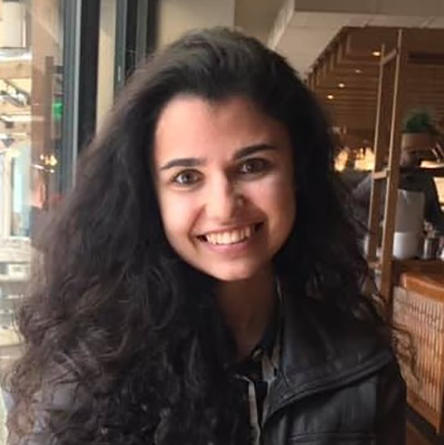
“You always have to think about the future,” said another ambassador, Stephane Henrion, a senior electrical engineering major. “And one of the ways I think I can help the College grow is to help it recruit other talented students from around the state, the nation and the world.”

Once new students arrive on campus, they see even more of the ambassadors. Every engineering student must take an introductory engineering course that teaches students the teamwork, problem solving and verbal communication skills that become the foundation of a successful engineering career. Ambassadors serve as teaching assistants for these courses, mentoring students through an important time.

“I let them know the little secrets and nuggets of what's going on and what's coming up,” Rogers said.

Ambassadors are also stalwarts at large events such as the Freshman Engineering Design Day, in which hundreds of first-year students team up and test their design skills against their peers, and the NC State Engineering Career Fair, one of the largest events of its kind in the country.

“They're a huge help,” said Koehler, who directs several College of Engineering events. “The ambassadors bring lots of energy and organization to those events.”

Ambassadors also take questions from prospective students during weekly information sessions, hang out with prospective students during “Spend-a-Day” at NC State events and help run the ceremony in which students graduate to the profession. For alumni returning to campus, ambassadors are available to give tours and answer questions about life at NC State.

On top of all this, the ambassadors gather in a classroom each Thursday afternoon to discuss their work and talk about leadership. This past semester, the class read a book that explores ways people can lead regardless of their rank in the organization.

During their final meeting of the fall semester, Dr. Louis A. Martin-Vega, dean of the College of Engineering, spoke to the students. He told them about his vision to make the College the top public engineering school in the country, and how leaders like them were helping to make that possible through their work for the College.

“There's an awful lot that one can derive from serving others,” Martin-Vega said. “And basically, that's what leadership is.” end of story

About Magazine Archives Privacy Accessibility Webmaster